Advertising video in Toulouse: Ads 2026 formats and mistakes to avoid
6s, 15s, 30s, cut-down: the ad formats that perform in 2026 in Toulouse. Mistakes to avoid + a method to improve ROI.

Advertising video in Toulouse: 2026 ad formats and mistakes to avoid
Introduction
If you're searching for “advertising video in Toulouse”, you have a concrete video marketing project: a campaign to launch, a product to push, an offer to get off the ground. And you already know it: in ads, video is an investment. The only goal is to deliver results
In 2026, many creatives are designed for quantity: aggressive hooks, scroll mechanics. Some agencies are very good at it. It's just not our positioning.
At Première Classe, we aim for quality. Even in vertical. Because lasting performance comes from a combination: script, targeting, message, proof, cinematography, editing, and an execution that respects your brand image.
We're convinced that one or two bad videos are enough to damage your reputation, or what your prospects and even your own employees think of your company.
In this article, we'll talk about the formats that really work (6s, 15s, 30s, cut-down) and about our approach based on creativity and marketing (marketing + communication + filmmaking)
Ads-ready doesn't mean “clickbait”
When we talk about advertising video in 2026, there's a shortcut that wastes time: believing that “ads-ready” means doing anything to grab a second of attention.
Yes, platforms are brutal. Yes, you have to grab attention fast. But if you're a serious brand, especially in B2B or premium, you're playing two games at once: performance and image.
An ad that gets clicks but damages perception is rarely a good deal.
Two schools in 2026: quantity of creatives vs controlled quality
We see two approaches.
The “quantity” approach: lots of creatives, lots of variants, very aggressive hooks, sometimes deliberately strange intros. The goal is simple: stop the scroll, test fast and go after impressions.
The “quality” approach: fewer deliverables, but better designed. More consistency. We stay ads-ready, but we protect the brand.
At Première Classe, we clearly belong to the second. Not because the first is “bad”. Because our job is to produce advertising films that stand the test of time and serve a strategy.
Despite today's low attention spans, a platform like Netflix is still growing, and yet its productions last more than 1 minute
What “quality” means in advertising: script, targeting, message, proof, cinematography, sound
When we say quality, we don't mean a “cinematic” image. We mean a whole set of elements that makes the ad credible and impactful
- The script
- Targeting
- The message
- The proof(s)
- Cinematography
And so on
In short: we combine marketing (data-driven, insights), communication (message) and filmmaking (execution) to maximize the chances that the video performs, or even outperforms
When quality becomes a performance lever: trust, recall, brand
Quality is a lever when:
- you sell something that requires trust (price, service, commitment, risk)
- you want to be remembered (and not just seen and quickly forgotten)
- you are building your brand over 6 to 24 months.
In concrete terms, a better written, better framed ad with better sound and clear proof helps you:
- reduce friction
- increase retention
- improve conversion (because the message is understood)
That's why we can make short formats, even vertical ones, without cutting corners on quality: we focus on clarity and credibility.
Today, even if there are platform codes to respect, honestly, there's no recipe for success. You also need to be able to distance yourself from content creators, who don't have the same stakes at all when they publish: for them, the consequences can be less “dramatic”
Cut-downs and versions: the mechanics of profitable campaigns
If you want a campaign to last more than a week, you need something very simple: versions/deliverables
Not “more videos” for the sake of volume. Cut-downs designed for your placements, your audiences and your objectives.
In ads, a good creative isn't a one-shot. It's a base you optimize.
Why 1 single video isn't enough
Because you're not talking to one person, at one moment, in one state of mind.
One person is discovering you. Another is hesitating. Another already knows you. Naturally, each target won't be at the same stage of the buying journey as the others
You expose yourself to the classic scenario: the creative wears out, costs rise, and people conclude too quickly that “video doesn't work”.
Often, the video works. It's just missing angles and lengths
Ads Starter Pack: 1 master + 15s cut-down + 6s cut-down + 9:16 / 16:9 + subtitles
If you want to stay high quality without blowing the budget, here's a pack that works very well:
- 1 master (30–45s): the most complete version, the one that carries the message
- 1 15s cut-down: the “workhorse” format for testing an angle
- 1 6s cut-down: awareness + light retargeting
- 2 formats: 9:16 (mobile placements) + subtitles and 16:9 (YouTube, some placements, website, events, email campaigns, sales team)
This pack has one advantage: you don't multiply shoots. You multiply uses.
And when it's well thought out, each version stays consistent with your brand without compromising the image you project to your audience
Creative testing: variations of angles and proof
Creative testing means:
- changing an angle (benefit no. 1 for feature X vs benefit no. 2 for feature Y)
- or changing a proof (demo vs figure vs before/after)
- or changing the opening (problem vs promise)
No need to change the whole video or adopt codes that don't reflect who you are
You keep the same quality of execution
That's how you improve ROI without sacrificing your brand image.

Our framework: marketing + communication + filmmaking
To sum up our approach at Première Classe:
We start from a simple principle: an advertising video is an investment. So it must aim for a clear objective (awareness, image, recruitment, sales) and commit to a level of execution that protects the brand
Today, we position ourselves as a creative and strategic audiovisual production agency
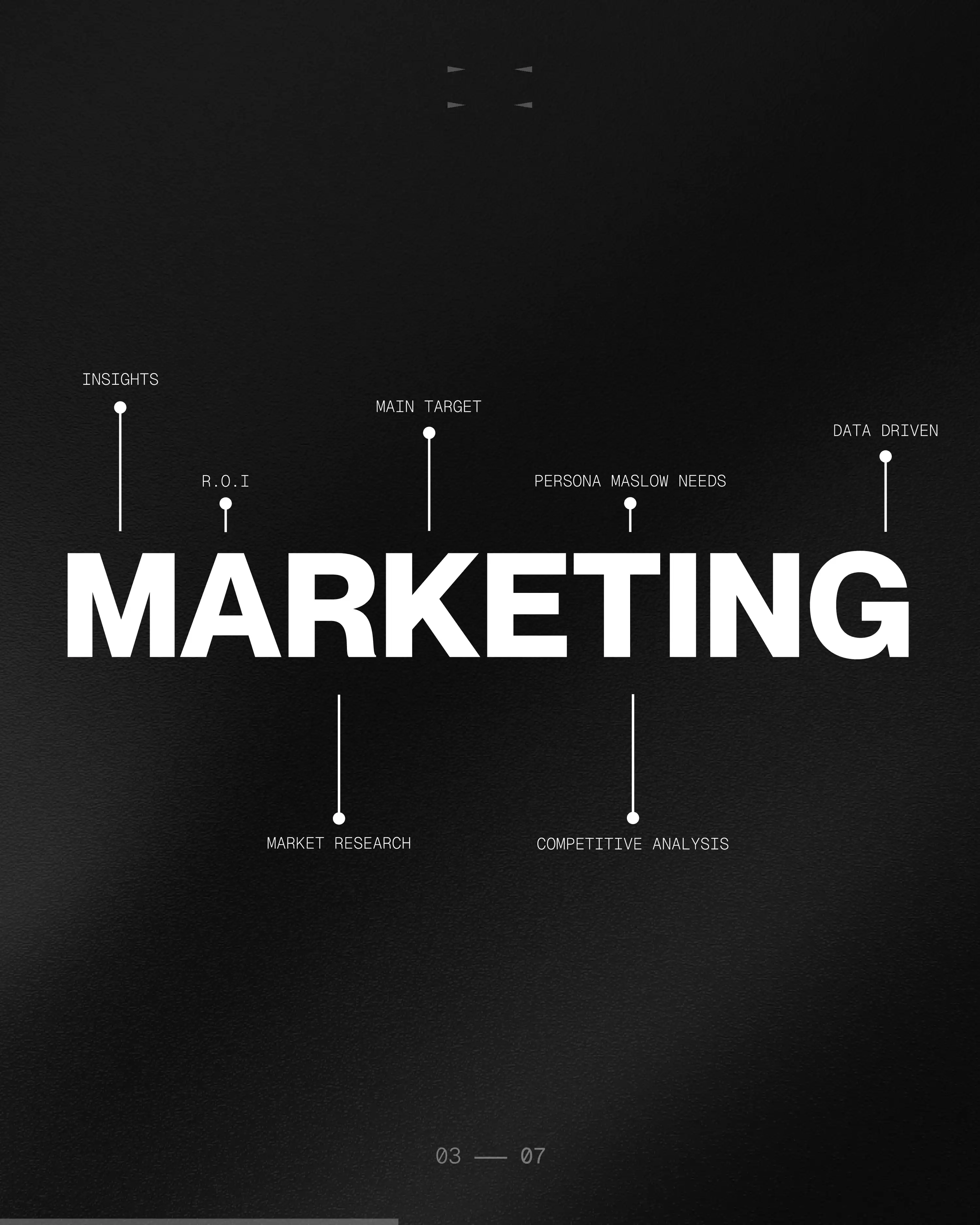
Marketing: data, angles, audiences, iterations
Marketing is the safeguard against making videos on gut feeling
We lay the groundwork very early, during the discovery call
- who we want to reach (audiences, segments, level of awareness),
- what's holding them back (main objection: price, trust, timing, complexity)
- what triggers action (most desired benefit)
- the features, the benefits, the message, the objective, the product(s), the service
- Maslow method, A.I.D.A
Which message is understood, which proof reassures, which angle converts, always with reference to your industry and your customer avatar
Communication: promise, proof, brand consistency
Communication: we seek credibility in how the deliverables are distributed
We lock down 4 things, or more depending on the objectives
- a promise
- a proof
- brand consistency
- an emotional benefit
Filmmaking: cinematography, pacing, directing, staging that serve the message
When we say quality, we don't mean a “creative look”. We mean everything that makes the message credible.
Even on short formats, even in vertical, you keep an ads-ready ad that stays brand-safe.

Conclusion
In 2026, the point isn't to make “ads”. The point is to build ads-ready creatives that stay brand-safe.
If you remember one thing: performance doesn't come from a weird hook. It comes from a mix of marketing, communication and filmmaking
If you have a campaign to launch, book a meeting with the Première Classe agency
video agency
enter the era of unforgettable videos.
Toulouse, France
13h00
GMT+1
Toulouse, France
13h00
GMT+1
Los Angeles, USA
04h00
GMT-8
Lisbon, Portugal
12h00
GMT+0
Moscow, Russia
15h00
GMT+3